
Have you ever heard someone say, “Oh, 3 PM is the lucky time for slots at Casino XYZ!”? It’s a common belief. The idea that slot machines are more generous at certain times of the day is a myth. The truth is, slot machines operate on random number generators, making each spin independent of the last. This means that a machine’s payout is not influenced by the time of day, the day of the week, or how much money has been put into it. As someone familiar with the ins and outs of Casinos and how slot machines work, let’s explore the reality behind slot machines and understand why chasing a “lucky time” is not a winning strategy. Forget about the best time to play; let’s focus on knowledge.
Understanding Slot Machines: The Core Mechanics
The Role of Random Number Generators (RNGs)
At the heart of every slot machine, both physical and online, lies a complex algorithm known as a Random Number Generator, or RNG. This isn’t some wheel spun by a human; it’s a sophisticated computer program that constantly generates sequences of numbers at an incredibly rapid pace. Think of it like a tireless lottery machine, churning out millions of number combinations every second. When you hit the spin button, the RNG instantly selects one of these number sequences, which then determines the outcome displayed on the reels.
The crucial thing to understand is that each spin is entirely independent. The RNG doesn’t “remember” previous results, nor does it follow any discernible pattern. There’s no “hot” or “cold” streak, and the time of day has absolutely no influence on the outcome. Casinos employ rigorous testing and auditing to ensure the fairness and integrity of their RNGs. These systems are regularly checked by independent agencies to guarantee they operate truly randomly and haven’t been tampered with.
The concept of probability and payback percentage
While winning on a slot machine may seem like pure luck, the reality is rooted in probability. Each symbol on the reels has a specific probability of appearing, and the combination of these probabilities determines the odds of hitting a particular winning combination. When a player begins, he or she has the same chances of winning as any other player that has played before.
Closely tied to probability is the concept of payback percentage, also known as Return to Player (RTP). This is the percentage of wagered money that a slot machine is programmed to pay back to players over the long run. For example, a slot machine with a 95% RTP will theoretically pay back $95 for every $100 wagered. However, it’s vital to remember that this is a long-term average, not a guarantee for any individual session. A player should understand the RTP, so that he is more conscious when he starts to gamble and he accepts that he will not win all the time. This percentage serves as a guide, allowing players to make more informed decisions about which games to play, understanding that chance still plays a significant role in the outcome.
The Myth of “Lucky Times”: Debunking the Belief
Many slot enthusiasts are on a quest for the holy grail: the ‘lucky time’ to play. They believe that certain times of the day or night are somehow more advantageous, ripe with winning potential. The truth, however, is far less mystical. The idea that slot machines adhere to a schedule, dispensing payouts based on the clock, is a complete slot machine myth.
Slot machines, at their core, are governed by Random Number Generators (RNGs). These sophisticated algorithms ensure that every spin is an independent event, entirely divorced from what came before. This means the outcome of your next spin has absolutely zero connection to the previous one, or any other spin that day. Whether it’s sunrise, noon, or the witching hour, the odds remain constant. This is the mechanics of randomness. Think of it like flipping a coin – the probability of landing heads is always 50/50, regardless of how many times tails has appeared in a row. Similarly, a slot machine doesn’t ‘remember’ past wins or losses; each spin is a fresh start determined by a purely random number.
The perceived ‘lucky times’ are simply a product of chance and selective memory. People tend to remember and share stories of winning during specific times, reinforcing the belief. But statistically, these are just anecdotal occurrences within the grand tapestry of random events. There’s no scientific basis or proven payout patterns that support the notion of time-based luck in slot machine gaming.
Address and correct the misinterpretation of gambler’s fallacy.
The Gambler’s Fallacy is a common pitfall in the world of probability, and a frequent companion to the ‘lucky times’ myth. It’s the mistaken belief that if something happens more frequently than normal during a given period, it will happen less frequently in the future, or vice versa. Applying this to slots, some players might think that after a string of losses, a win is ‘due’.
The truth is, each spin of a slot machine is an independent event. The odds of hitting a jackpot remain the same, regardless of whether the machine has recently paid out or been cold for hours. The machine doesn’t ‘owe’ you a win, and past results have no bearing on future outcomes. Understanding this principle of independence is crucial to avoiding the gambler’s fallacy and appreciating the true randomness of slot machines.
Why are some hours more crowded?
Casinos tend to have busier periods, often correlating with evenings, weekends, or holidays. These peak times aren’t indicators of higher payout rates; rather, they reflect people’s leisure schedules. More people visit casinos when they have free time, creating the illusion of increased winning potential.
With higher foot traffic, more jackpots will naturally be won, solely because more people are playing. News of these wins spreads through the crowded casino floor, further fueling the perception of a ‘lucky time’. However, this is simply a case of increased statistical probability due to a greater number of spins, not a change in the machine’s payout algorithm. The crowds amplify the stories, not the odds.
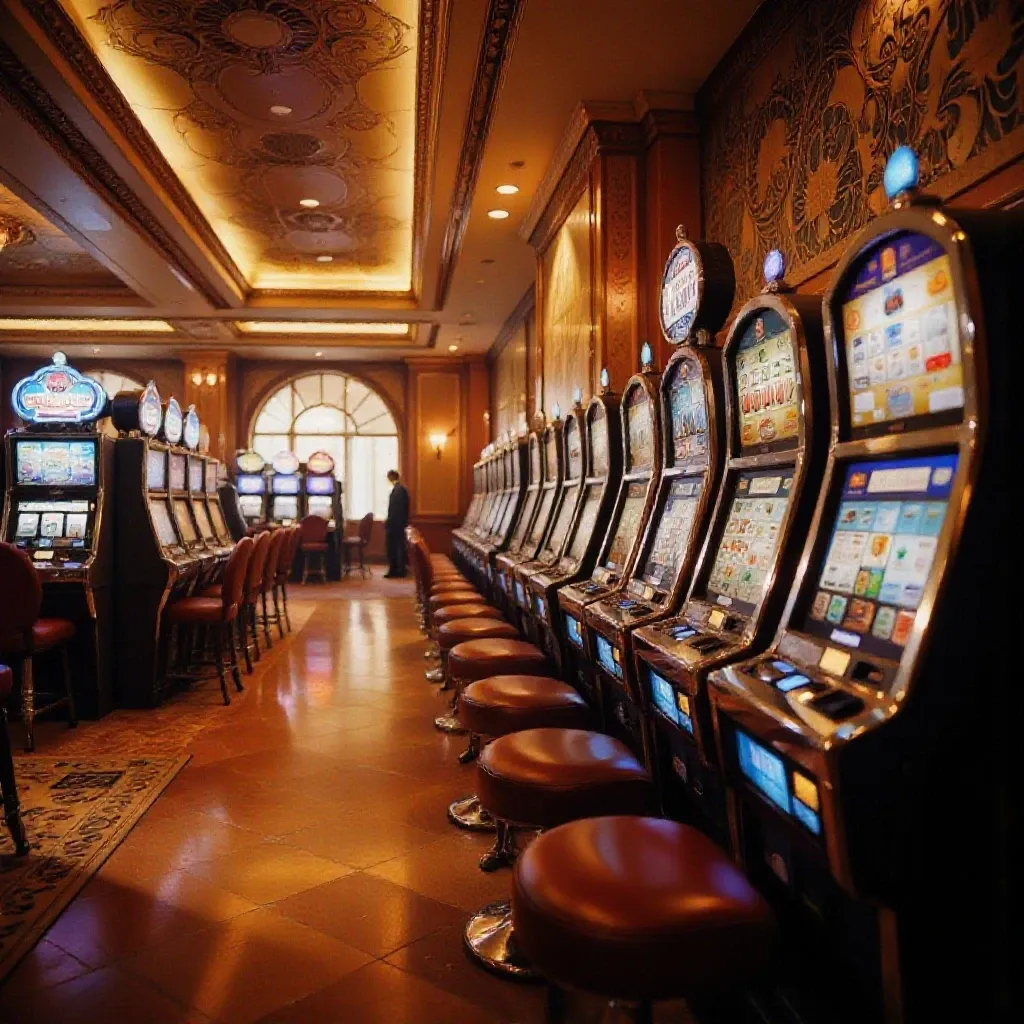
Factors Influencing Perceived Winning Times
Winning times in games of chance are often shrouded in beliefs about luck. While outcomes are random, various psychological and environmental factors can lead people to perceive particular times as luckier than others. This perceived luck, though illusory, can heavily influence behavior and create strong convictions.
Confirmation bias and selective memory
Confirmation bias plays a significant role in shaping beliefs about winning times. People naturally tend to remember events that confirm their existing beliefs, while downplaying or forgetting those that contradict them. In the context of gambling, if someone wins at a particular time, that victory is more likely to be remembered vividly. Selective memory reinforces the “lucky hour” pattern, making people believe that a specific time truly increases their chances of winning. The jackpots obtained in those moments are engraved in people’s minds, overshadowing the numerous losses incurred at the same time.
Environmental factors: noise and crowd
Casinos are carefully designed to create an atmosphere conducive to gambling. The intense environment of sounds, flashing lights, and constant activity can heighten emotions and create a sense of excitement, predisposing individuals to believe in their luck. Some casinos thrive on creating a vibrant, crowded environment, with the energy of the crowd supposedly fueling positive outcomes. Others cultivate a more subdued atmosphere, believing that peace and focused attention are conducive to winning. Despite these differences, the overarching goal is to create an environment where the idea of winning—especially at certain times—seems plausible and within reach.
Casino Strategies and The Truth about Payouts
Most popular strategies and their cons.
Countless casino strategies promise to beat the house, but understanding their flaws is crucial. One such strategy is the Martingale system, popular among roulette players. It involves doubling your bet after each loss, with the idea that a win will recoup all previous losses plus a small profit. However, this strategy has significant drawbacks. A series of consecutive losses can quickly deplete your bankroll, and most casinos have table limits that prevent you from doubling your bet indefinitely. Ultimately, the Martingale and similar strategies often exploit a gambler’s lack of control, leading to substantial losses for the player while the casino steadily profits.
Different kind of slots and their payback percentages.
Slot machines, while seemingly straightforward, have varying payback percentages that greatly influence your chances of winning. These percentages reflect the amount of money a slot machine is programmed to return to players over time. For instance, a slot with a 95% payback percentage will theoretically return $95 for every $100 wagered. While it’s challenging to pinpoint the exact payback percentage of a specific machine without access to proprietary information, many online resources offer estimated ranges for different types of slots. High volatility slots, while offering the potential for larger payouts, also come with a higher risk of losing your initial investment. Conversely, low volatility slots offer more frequent but smaller wins. Ultimately, understanding these payback percentages and volatility levels can help you make more informed decisions about which slot machines to play, but always remember that gambling should be approached responsibly.
Responsible Gambling: Staying in Control
Gambling can be an entertaining pastime, but it’s crucial to approach it responsibly. The thrill of the game should never overshadow the potential risks involved. Understanding and practicing responsible gambling habits is key to ensuring that gambling remains a source of enjoyment, not a source of stress or financial hardship.
One of the most important aspects of responsible gambling is setting limits. Before you start, decide on a budget and stick to it. This includes both how much money you’re willing to spend and how much time you’ll dedicate to gambling. Avoid the temptation to increase your budget or extend your playing time, even if you’re on a winning streak. It’s also a good idea to set win and loss limits. Knowing when to stop, whether you’re ahead or behind, can help prevent chasing losses or getting carried away.
Taking frequent breaks is another essential component of responsible gambling. Stepping away from the game allows you to clear your head and make rational decisions. Avoid gambling when you’re feeling stressed, emotional, or under the influence of alcohol or drugs, as these factors can impair your judgment. Remember, the goal is to have fun, and remaining in control is paramount.
If you find that gambling is becoming a problem, or if you suspect you might have a gambling addiction, it’s important to seek help. Many resources are available to provide support and guidance. Don’t hesitate to reach out to organizations like Gamblers Anonymous. Recognizing the signs of problem gambling and taking proactive steps can help you regain control and prevent serious consequences. Always remember that gambling should be viewed as entertainment, not a reliable source of income.
Conclusion: Embracing Randomness and Enjoying the Game
After countless hours observing players and machines, one undeniable truth emerges: slot machines operate on pure, unadulterated randomness. The allure of lucky streaks, the feeling that a win is just around the corner after a string of losses – these are illusions, tricks of the mind amplified by flashing lights and catchy sounds. There’s no secret formula, no hidden pattern to unlock. The sooner players internalize this, the better equipped they are to gamble responsibly and, crucially, to enjoy the experience.
Forget about chasing losses or believing in that mythical “lucky” machine. True gambling tips revolve around setting limits, understanding odds, and accepting the inherent unpredictability. Embrace the chaos, view slot machines as a form of entertainment, like buying a ticket to a show. The outcome is uncertain, but the excitement lies in the anticipation. If you find this expert advice helpful, consider sharing this article with your friends and family, so they can gamble informed and responsibly as well. Remember, when the fun stops, stop.